2026 Best New Energy Vehicle Charging Stations to Buy
The 2026 market for New Energy Vehicle Charging Stations is becoming more practical, competitive, and demanding. Buyers now need more than impressive charging speed. They must examine connector compatibility, power stability, software support, weather protection, and long-term maintenance.
Colin McKerracher, Head of Advanced Transport at BloombergNEF, has described charging infrastructure as “the backbone of electric transport.” His observation remains highly relevant. A station is not useful when drivers face broken screens, unclear pricing, or unreliable network connections. Small failures create large frustrations.
This guide reviews the best new charging stations to buy in 2026. It considers residential units, workplace chargers, fleet systems, and public fast-charging equipment. Each category serves a different purpose. A compact home charger may suit overnight charging, while a logistics depot needs load management and dependable uptime.
Look beyond peak output. Real performance depends on the vehicle, electrical supply, temperature, and installation quality. A 240-kilowatt unit may deliver less power when several vehicles charge together. That detail is easy to miss.
Reliability matters more than flashy specifications. Consider safety certifications, warranty coverage, remote diagnostics, payment options, and repair access. Installation costs can also change the final budget significantly.
Some buying decisions remain imperfect. Technology standards continue evolving, and no station fits every driver or business. This guide therefore compares practical strengths, visible limitations, and likely ownership concerns. The goal is not to promote the most expensive equipment. It is to identify charging solutions that perform consistently in real conditions.
Types of New Energy Vehicle Charging Stations in 2026
Types of New Energy Vehicle Charging Stations in 2026
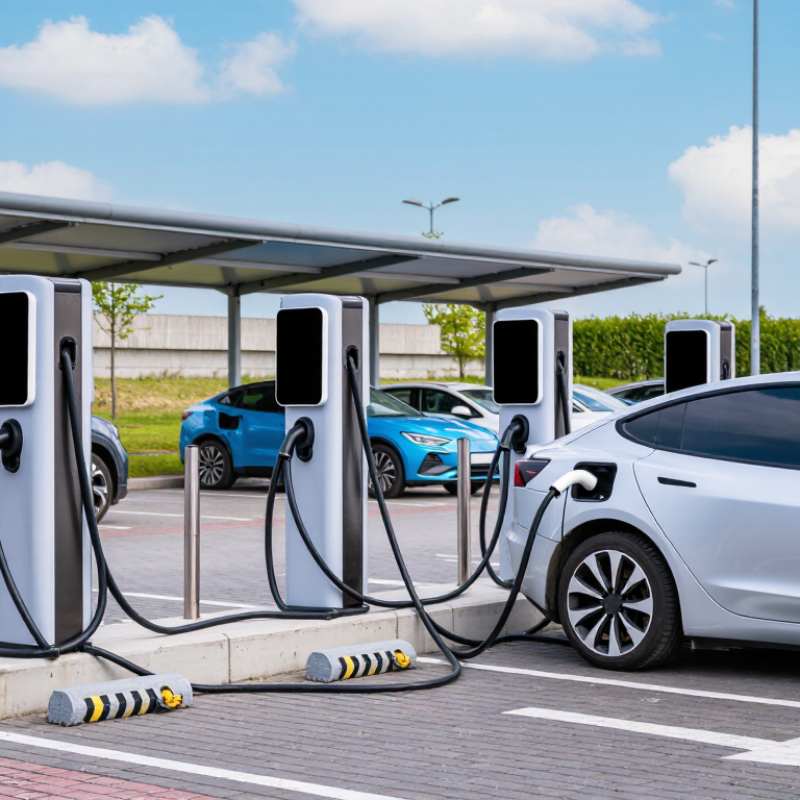
In 2026, buyers can choose among AC, DC fast, portable, wireless, and solar-assisted charging stations. Each type serves a different driving pattern. AC home stations usually deliver steady overnight charging. They suit commuters with private parking and predictable schedules. DC fast chargers use higher power and reduce waiting during long journeys. However, they require stronger electrical capacity, careful cooling, and professional installation. Ultra-fast models can be useful for commercial sites, but grid upgrades may increase costs. Portable chargers offer flexibility during travel, although their output is usually lower. Wireless systems provide excellent convenience, yet installation accuracy and vehicle compatibility remain important. Solar-assisted stations can reduce daytime grid use, but weather affects their performance.
Tips: Check your vehicle’s maximum charging rate before buying. A powerful station cannot force faster charging than the vehicle accepts. Ask a qualified electrician to inspect cable size, circuit protection, grounding, and load capacity. Look for clear safety testing, weather resistance, temperature monitoring, and accessible emergency controls. For outdoor use, inspect the enclosure rating and cable durability. I would not choose a station only because its power rating looks impressive. My own preference can be too focused on speed. Real value depends on daily mileage, parking time, local electricity limits, and maintenance access. Keep the cable dry and free from sharp bends. Small installation mistakes can become expensive later.
Key Features to Compare Before Buying a Charging Station
2026 Best New Energy Vehicle Charging Stations to Buy
Buying a charging station should begin with your daily driving pattern, not the highest advertised power. A 7–11 kW home unit suits many drivers and can refill a vehicle overnight. Higher output may sound attractive, but your vehicle and electrical system must support it. Check connector compatibility, cable length, and whether the cable reaches your parking position without tension.
Safety features deserve careful comparison. Look for temperature monitoring, overload protection, ground-fault detection, and a weather-resistant enclosure for outdoor installation. Smart load management can reduce the risk of exceeding your home’s electrical capacity. A useful app should show charging history, energy use, and fault alerts clearly. Unreliable data becomes frustrating quickly. Confirm the warranty, software support, and installation guidance before purchasing. Local electrical requirements also matter, so a qualified electrician should inspect the circuit.
Tips: Test the parking distance with a tape measure. A six-meter cable may be more practical than a shorter, cheaper option. Compare standby power, operating temperatures, and emergency shutoff access. I once focused too heavily on charging speed and overlooked cable storage; that small mistake made daily use less convenient. Leave room for future vehicle changes, but avoid paying for features you will never use.
How to Choose the Right Charging Station for Your Vehicle
Choosing a charging station in 2026 starts with your vehicle, not its advertised power rating. Check whether it accepts AC, DC, or both. Then match the connector and maximum input.
A 7.4 kW home station may suit a commuter driving 40 kilometers daily. A 22 kW unit becomes wasteful if the vehicle accepts only 11 kW. Small detail. It matters. The IEA Global EV Outlook 2024 reported more than 14 million electric cars sold in 2023. Public charging points also exceeded four million worldwide. This growth makes compatibility and uptime more important than impressive numbers.
For home use, measure cable reach from the parking socket. Confirm circuit capacity with a qualified electrician. Choose load management if several appliances share the circuit. It can prevent unexpected power interruptions. Outdoor users should check weather protection, operating temperature, and cable durability. For frequent road travel, examine DC output and charging coverage. Do not judge only by peak power. A vehicle may briefly accept 150 kW, then reduce power sharply. Charging curves reveal more.
Request independent test results, warranty details, software update policies, and repair arrangements. The IEA counts installed chargers, but installed capacity does not guarantee a successful session. That remains a weakness in many comparisons. My practical preference is a slightly slower station with dependable operation. Still, installation cost, parking time, and future vehicle plans can change the decision.
Installation, Safety, and Compatibility Requirements
2026 Best New Energy Vehicle Charging Stations to Buy
Installation, Safety, and Compatibility Requirements
Choosing a charging station in 2026 requires more than comparing charging speed. The IEA Global EV Outlook 2024 reported over four million public charging points worldwide by the end of 2023. Home charging still offers better control, but electrical capacity must come first. A licensed electrician should inspect the panel, grounding, cable route, and weather exposure. Many residential circuits cannot safely support continuous high-power charging. Fit matters. Select equipment that matches your vehicle’s connector, charging protocol, voltage, and maximum onboard charging rate. IEC 61851 and related safety standards provide useful reference points for communication and protection requirements. The U.S. National Electrical Code also emphasizes dedicated circuits, appropriate overcurrent protection, and correct installation in wet locations. Installation quality often matters more than advertised output.
Tips: Check the vehicle manual before purchasing. Confirm connector type, cable length, enclosure rating, and operating temperature. Ask for load calculations, not guesses. Test emergency shutoff access and keep the cable away from standing water, sharp edges, and driveways. Smart features can help, but network dependence may create problems during outages. A simple charger may be more reliable for some homes.
The IEA has also documented rapid growth in public charging demand, especially as electric vehicle sales expand. Compatibility can change with adapters, software, and local grid limits. That uncertainty deserves attention. Buyers should keep inspection records and schedule periodic checks for heat damage, loose terminals, or unusual charging interruptions. No installation is flawless; even professional recommendations may need revision after real winter use.
Best 2026 Charging Station Options by User Needs
Choosing a 2026 charging station starts with your daily driving pattern, not the highest advertised power. Drivers covering 30 miles daily may need a reliable 7.4 kW home unit. Long-distance users should consider 11 kW or 22 kW output, if their electrical service supports it. A licensed electrician should verify the circuit, grounding, and load capacity before installation. I have found that cable storage matters on wet mornings. A stiff, short cable quickly becomes annoying.
Tips: Check connector compatibility, weather protection, app-free controls, and warranty terms. For apartments, choose a compact station with shared access controls and clear usage records. Families may prefer load balancing, which reduces overload risk when ovens or heat pumps run. If charging happens outdoors, look for strong sealing and a lockable connector. Do not pay for features you will never use. That mistake is common.
Budget buyers can select a basic unit with scheduled charging and dependable safety monitoring. Smart-home users may value solar coordination, energy reporting, and adjustable charging limits. Fleet owners need durable cables, user authentication, and serviceable parts more than attractive screens. Independent testing data is useful, but it does not replace local installation advice. Some specifications look impressive yet feel irrelevant after a month. Review your winter range, parking time, and electricity tariff before deciding. A station should fit your routine, even if the specification sheet looks less exciting.