Choosing Smart Charging Stations for global markets requires more than comparing charging speed and purchase price. Buyers must examine local grid capacity, connector compatibility, payment systems, cybersecurity, weather protection, and after-sales support. A station beside a dusty highway needs different protection from one inside a snowy apartment garage. Small details matter.
The International Energy Agency reported in Global EV Outlook 2024 that electric car sales exceeded 14 million in 2023. It also recorded more than four million public charging points worldwide, with installations rising by about 40%. The same report indicates that public charging capacity must expand substantially before 2035. This creates opportunity, but also pressure. A low-cost charger may become expensive when software updates, spare parts, or network integration are missing.
CharIN CEO Claas Bracklo has repeatedly stressed that “interoperability is the key to convenient charging.” This principle should guide global procurement. Buyers should request evidence of open communication protocols, tested vehicle compatibility, reliable uptime, and transparent warranty terms. The Open Charge Alliance’s OCPP standards can support flexible backend integration, but compliance alone does not guarantee a smooth user experience.
No checklist is perfect. Local installer skill can still determine success. A technically impressive station may fail when its payment interface confuses drivers or its cables cannot withstand daily use. Therefore, smart buyers should compare verified field performance, not attractive brochures. IEA data, independent testing, and supplier references provide stronger evidence than promotional claims. The best Smart Charging Stations balance power, intelligence, maintainability, and regional practicality.
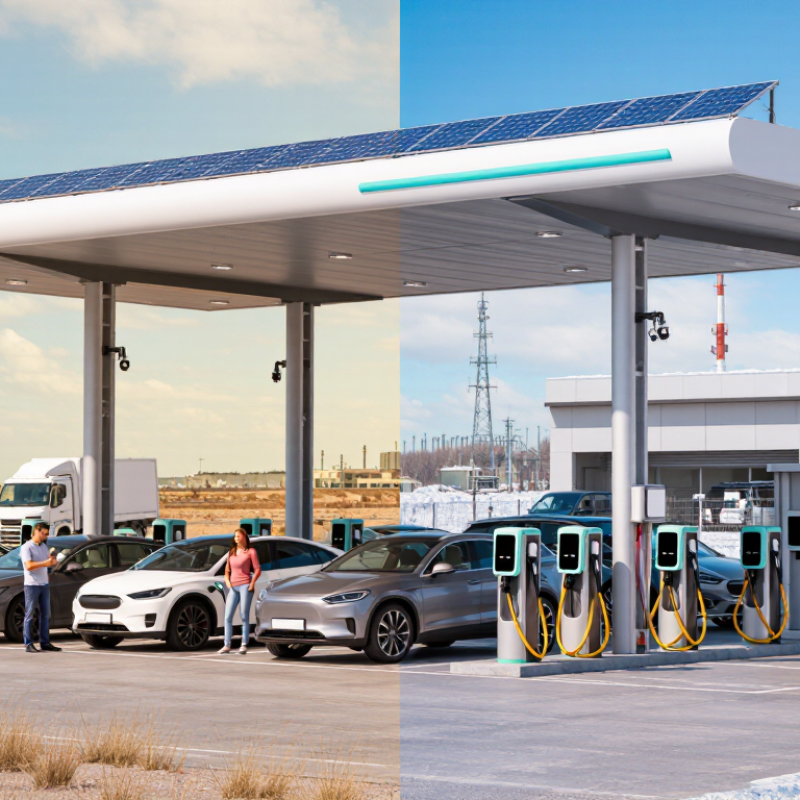
Defining requirements is the real starting point for global smart charging station selection. The International Energy Agency reported nearly 14 million electric cars sold worldwide in 2023. Public charging points also increased by over 40%, exceeding four million. That growth creates pressure on every installation.
Start with the site, not the charger catalog. Record available voltage, peak load, cable distance, parking turnover, and local weather. A 22 kW unit may be unsuitable for a small commercial connection. A high-power unit may waste capacity during long overnight parking. Define the target vehicle mix and charging duration first. Select connector options according to regional vehicle standards. IEC 61851 and ISO 15118 support safer communication and smart charging functions. Still, compatibility testing remains necessary.
Software requirements deserve equal attention. The system should support remote monitoring, load balancing, user authentication, billing records, and exportable energy data. The European Automobile Manufacturers’ Association reported more than 630,000 public charging points across the European Union in 2023. Different regions therefore need different payment methods, languages, and maintenance networks. Security updates must be managed throughout the station’s service life. Do not assume cloud connectivity is always stable. Local fallback control matters. Weather protection, emergency isolation, accessibility, and spare-part availability should be written into the specification. One common mistake is measuring only charging speed. Real performance also depends on grid limits, software reliability, and response time after a fault. That gap matters.
Charging power should match the local grid, parking duration, vehicle demand, and installation environment. Common nominal output tiers range from 3.7 kW AC for long-duration charging to 350 kW DC for high-speed public charging. Global buyers should also confirm regional connector standards, voltage compatibility, load management, IP protection, payment integration, remote monitoring, and local electrical regulations before selecting a station.
How to Choose Smart Charging Stations for Global Buyers
Choosing a smart charging station starts with standards, not appearance. AC stations commonly use Type 1 or Type 2 connectors, depending on the market. DC systems may use CCS1, CCS2, or other regional formats. A connector can look suitable yet fail after installation. Verify the vehicle inlet, charging protocol, and local electrical rules together.
Power ratings require practical judgment. A 7.4 kW AC unit may suit overnight home charging, while a 22 kW unit needs three-phase power and suitable wiring. DC chargers can deliver much higher output, but the vehicle may accept only a fraction of it. More power is not always better. It can increase installation costs, demand charges, and thermal stress. Check continuous output, not only the advertised peak.
Compatibility also includes software and site conditions. Confirm support for open communication protocols, remote diagnostics, load balancing, and user authentication. These features matter when several vehicles charge beside a small parking facility. Review voltage range, frequency, residual-current protection, and enclosure ratings. A coastal site may need stronger corrosion protection than an indoor garage. Ask for test reports and regional certifications. Then conduct a pilot installation with the actual vehicles and grid connection. Datasheets are useful. Real sites remain less predictable. Some purchasing teams overlook cable length, winter performance, or poor cellular coverage. That oversight can turn a technically compatible station into an inconvenient asset.
| Charging Standard | Current Type | Typical Input and Power Rating | Common Installation Use | Vehicle Compatibility | Communication and Smart-Charging Considerations | Typical Market Coverage | Key Buyer Checks |
|---|---|---|---|---|---|---|---|
|
Type 1 / SAE J1772 AC conductive charging |
AC, single-phase |
120–240 V AC Typical: 3.7–7.4 kW Higher-rated installations can reach approximately 19.2 kW at 80 A. |
Residential garages, workplaces, apartments, and light-duty public charging. | Vehicles fitted with a Type 1 inlet. A mechanical adapter alone does not convert AC phase, voltage, or communication requirements. | Supports IEC 61851 control-pilot signaling. For smart charging, verify OCPP support, load management, scheduled charging, and utility demand-response functions. | Widely used on many vehicles and installations in North America, Japan, and selected markets using single-phase AC charging. | Confirm the local supply voltage, circuit amperage, plug configuration, residual-current protection, and vehicle onboard charger limit. |
|
Type 2 / IEC 62196-2 AC conductive charging |
AC, single-phase or three-phase |
230 V single-phase or 400 V three-phase Typical: 3.7–22 kW Some specialized AC systems support up to approximately 43 kW. |
Homes, offices, commercial car parks, apartment buildings, and public destination charging. | Vehicles fitted with a Type 2 inlet. Three-phase charging requires a compatible vehicle onboard charger and a suitable three-phase electrical supply. | Commonly uses IEC 61851 signaling. OCPP 1.6J or OCPP 2.0.1 can support remote monitoring, reservations, tariff control, and dynamic load balancing. | The dominant AC interface across much of Europe, Australia, New Zealand, and numerous markets adopting IEC-based charging infrastructure. | Check whether the station includes a socket or a tethered cable, whether the vehicle accepts three-phase power, and whether local regulations require Type A or Type B residual-current protection. |
|
GB/T AC Chinese AC charging interface |
AC, single-phase or three-phase |
Approximately 220 V single-phase or 380 V three-phase Typical: 7–22 kW |
Residential, workplace, fleet, and public AC charging in installations designed for the GB/T system. | Vehicles using a compatible GB/T AC inlet. Type 2 and GB/T connectors are not directly interchangeable without a properly engineered, standards-compliant solution. | Requires compatible control-pilot and proximity functions. Smart features depend on the station controller, backend protocol, and local communications network. | Primarily used in mainland China and in vehicles or projects specifically designed for the GB/T ecosystem. | Verify GB/T standard revision, connector pinout, local grid configuration, cable certification, and interoperability with the target vehicle fleet. |
|
CCS1 Combined Charging System |
DC fast charging Uses a Type 1 AC upper section |
Common system voltage: approximately 200–500 V DC; some systems support higher voltage Typical public range: 50–350 kW |
Highways, fleet depots, retail sites, and other locations requiring rapid charging. | Vehicles fitted with a CCS1 inlet. The vehicle battery voltage, maximum current, and charging curve determine the actual charging speed. | Uses ISO 15118 or DIN 70121 communication, depending on the vehicle and charger. Confirm support for Plug & Charge, smart charging, and secure certificate management if required. | Common in North America and in selected markets using the Type 1 vehicle interface. | Check DC output voltage range, continuous current, cable cooling, grid capacity, protection settings, connector cable length, and backend roaming compatibility. |
|
CCS2 Combined Charging System |
DC fast charging Uses a Type 2 AC upper section |
Common system voltage: approximately 200–1,000 V DC, depending on equipment design Typical public range: 50–350 kW |
Highways, fleet operations, logistics facilities, public fast-charging hubs, and commercial sites. | Vehicles fitted with a CCS2 inlet. A station can deliver high rated power only when the vehicle, battery pack, cable, and electrical service all support it. | Supports ISO 15118 and DIN 70121 implementations. Confirm Plug & Charge, load management, dynamic pricing, remote diagnostics, and firmware-update capability. | Widely used across Europe, Australia, New Zealand, much of Asia, Africa, the Middle East, and other IEC-oriented markets. | Compare voltage window, maximum current, thermal management, local grid connection, payment system, OCPP version, and compliance with regional metering requirements. |
|
GB/T DC Chinese DC fast-charging interface |
DC fast charging |
Common system voltage: approximately 200–750 V DC Typical public range: 60–250 kW |
Public fast-charging stations, bus and commercial fleets, highway corridors, and depot charging. | Vehicles fitted with a compatible GB/T DC inlet. The connector, communication protocol, voltage range, and current limits must all match. | Uses GB/T-specific communication between the vehicle and charger. Confirm support for charging authorization, battery-status exchange, scheduled charging, and local backend integration. | Primarily used in mainland China and in projects serving vehicles built for the GB/T charging ecosystem. | Verify the applicable GB/T revision, connector and cable rating, communication compatibility, safety certification, site transformer capacity, and service support. |
|
CHAdeMO DC fast-charging interface |
DC fast charging |
Common system voltage: approximately 200–500 V DC Typical public range: 50–150 kW |
Existing public fast-charging networks, legacy vehicle support, and selected bidirectional charging applications. | Vehicles fitted with a CHAdeMO inlet. Compatibility is determined by the vehicle's supported CHAdeMO version and charging limits. | Supports digital vehicle-to-charger communication. Bidirectional charging requires compatible vehicle hardware, charger firmware, site controls, and applicable grid approval. | Found in Japan and in legacy or mixed-standard charging networks in several other markets. | Assess expected fleet life, local availability of spare parts, connector maintenance, network interoperability, and whether future vehicles will use another DC standard. |
|
SAE J3400 North American AC/DC interface |
AC or DC, depending on charger configuration |
AC: 120–240 V Typical AC: 7.2–19.2 kW DC: commonly 50–250 kW in deployed public equipment; higher ratings depend on the equipment and vehicle. |
Home, workplace, destination, fleet, and public fast-charging locations designed for the J3400 interface. | Vehicles fitted with a J3400 inlet or vehicles using a certified adapter approved for the specific charging direction. AC and DC compatibility must be checked separately. | Smart-charging functions depend on the charger network and vehicle support. Confirm OCPP, ISO 15118, Plug & Charge, load balancing, and software-update capabilities. | Increasingly used in North America and in selected vehicles or charging projects serving that market. | Confirm the applicable national electrical code, maximum continuous current, connector temperature monitoring, adapter approval, vehicle software support, and public-network interoperability. |
Global buyers should evaluate charging stations as electrical infrastructure, not simple plug-in equipment.
The IEA’s Global EV Outlook 2024 reports more than four million public charging points worldwide at the end of 2023, with installations rising by about 40% that year. This rapid expansion makes safety testing essential.
Look for compliance with IEC 61851, residual-current protection, thermal monitoring, surge protection, and clear emergency shutdown controls.
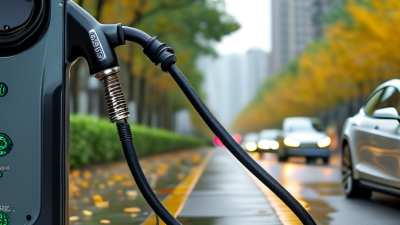
Check the enclosure rating too. Dust and rain are not minor details.
Connectivity determines whether a station remains useful after installation.
Support for OCPP 2.0.1 can improve communication between chargers and management platforms, while ISO 15118 enables more advanced vehicle-grid functions.
Secure authentication, encrypted data transfer, signed firmware, and role-based access reduce operational risks. NIST’s Cybersecurity Framework recommends continuous identification and monitoring of system threats, not one-time setup. That is often overlooked.
The U.S. Department of Energy also highlights managed charging as a tool for reducing peak demand and improving grid coordination.
Choose stations with:
dynamic load balancing time-of-use scheduling remote diagnostics energy metering failure alerts
Ask for test records, cybersecurity procedures, software-support periods, and spare-part availability.
A low purchase price can hide expensive maintenance. In my experience, dashboards may look impressive but provide weak fault details.
Pilot testing across hot, cold, wet, and low-connectivity conditions is wiser than trusting a brochure. No system is perfect.
Buyers should document what happens when networks fail, sensors disagree, or firmware updates are interrupted.
Certification should match the installation country, not merely the product’s sales region. Ask for current test reports, conformity documents, and the exact standards covered. Safety evaluations should address insulation, grounding, overcurrent protection, residual current detection, and enclosure performance. Smart functions also need review, including software updates, user authentication, and data protection. A familiar certification logo is not enough. Its scope may exclude the cable, payment system, or communication module. In procurement reviews, I have seen buyers accept certificates without checking expiry dates. That assumption can create delays during inspection.
Installation requirements deserve equal attention. Confirm the site voltage, phase arrangement, connector type, and available electrical capacity. A charger may support local power conditions but still overload an aging distribution board. Check cable routes, trench depth, ventilation, flood exposure, and physical impact risks. Load management can reduce upgrade costs, especially at workplaces or apartment buildings. Cellular coverage and network security should be tested at the parking space, not in an office. Use a qualified local electrician. Keep records of torque settings, protective devices, and commissioning tests. Small details matter.
Local regulations can affect permits, metering, accessibility, parking layouts, and grid connection approval. Some jurisdictions require inspection before energizing equipment. Others control public payment methods or collect charging-session data. Contact the utility, building authority, and fire-safety office before ordering large quantities. Requirements may change. Check the paperwork. A short pilot installation can expose unclear responsibilities, missing signage, or unsuitable emergency isolation points. My own planning has sometimes underestimated these administrative steps, so I now allow extra time for corrections.
Choosing smart charging stations for global deployment requires more than comparing purchase prices. Evaluate the supplier’s engineering experience, factory quality controls, and record in similar climates. Ask for test reports, electrical safety certificates, cybersecurity documentation, and references from commercial installations. Ask for evidence.
Check whether the station supports local grid requirements, connector standards, load management, and reliable data communication. A supplier should explain installation limits clearly, including cable length, ambient temperature, and available power. During site reviews, measure panel capacity and parking patterns instead of trusting assumptions. Small oversights become expensive. Also confirm training, commissioning procedures, and technical support in your operating time zone.
Total cost includes freight, import charges, civil work, electrical upgrades, software fees, maintenance, and possible downtime. Request a five-year cost model with realistic energy use and service intervals. Warranty length matters, but response time matters more when a busy site stops charging. Look for stocked replacement parts, remote diagnostics, firmware updates, data ownership terms, and a written escalation process. Support contracts should define response targets and repair responsibilities. End-of-life planning is often ignored; ask how hardware will be repaired, upgraded, or safely replaced. A low initial quote may hide recurring platform fees or difficult maintenance. That gap matters. Recheck every assumption with local installers and finance staff before approval.