Choosing the Top 10 New Energy Vehicles for Global Buyers requires more than comparing acceleration figures. Buyers need dependable range, charging access, safety, pricing, and long-term support. They also need a vehicle suited to real streets, from crowded European lanes to long Australian highways.
The International Energy Agency’s Global EV Outlook 2024 reported that global electric car sales exceeded 14 million in 2023. Nearly one in five new cars sold worldwide was electric. The report also identified China, Europe, and the United States as the largest electric-car markets. These figures show powerful momentum. They do not guarantee that every model fits every country.
Fatih Birol, Executive Director of the IEA, said, “The electric car market is experiencing explosive growth.” His observation explains this guide’s wider context. New Energy Vehicles are becoming mainstream products, not experimental machines. However, market leadership can look different in each region. A vehicle with excellent software may lack local service coverage. A low-priced model may have slower charging or uncertain resale value. No ranking is flawless. That is worth remembering.
This guide evaluates leading New Energy Vehicles through practical ownership details. It considers battery efficiency, driving range, charging performance, cabin comfort, safety evidence, warranty terms, and manufacturer reliability. Official testing remains important, but laboratory numbers can disappoint on a cold morning. Real-world experience matters. The final selection therefore balances published industry data with everyday usability, helping global buyers compare promising models with clearer expectations.
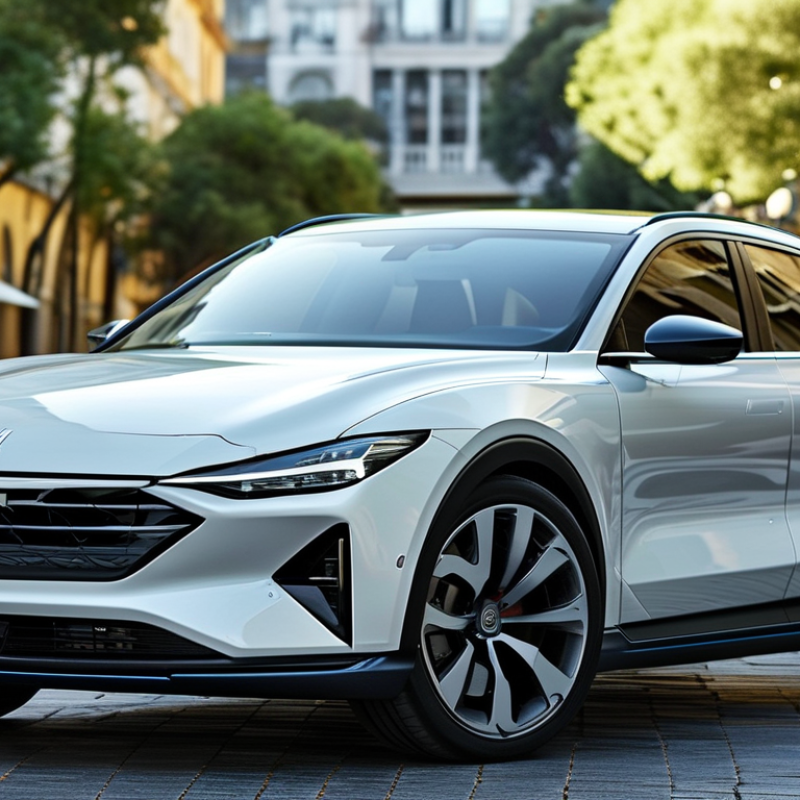
A new energy vehicle is not defined by appearance or software alone. It usually includes battery-electric, plug-in hybrid, hybrid, and hydrogen-powered vehicles. However, definitions differ across markets and government policies. Buyers should check the local legal category before comparing models.
The International Energy Agency reported more than 17 million electric car sales worldwide in 2024.
That growth hides important differences. A battery-electric vehicle may suit a homeowner with overnight charging. It may frustrate an apartment resident without a private parking space. A plug-in hybrid can reduce fuel use, but only when drivers charge it regularly. Otherwise, its larger weight may weaken the expected benefit.
Battery cost also shapes value. BloombergNEF reported an average lithium-ion battery pack price of 115 dollars per kilowatt-hour in 2024. Lower costs can improve affordability, but price is not the whole story. Buyers should examine battery warranty terms, charging speed, thermal management, and repair access. A vehicle promising 500 kilometres may deliver less in winter, heavy rain, or highway traffic. That gap matters.
The International Council on Clean Transportation also links real-world emissions to electricity sources and driving conditions. A low-carbon grid strengthens the environmental case. A coal-heavy grid changes it. Safety testing, software support, spare-part availability, and recycling systems deserve equal attention. The label is useful, but imperfect. Sometimes, the most “advanced” choice is simply the one that fits daily charging, climate, roads, and household income.
Choosing the top 10 new energy vehicles for global buyers requires more than comparing range figures. Each vehicle is examined through verified specifications, independent road tests, safety results, charging performance, and long-term ownership evidence. Real driving matters. A vehicle that claims 600 kilometres may deliver less in cold weather, heavy traffic, or with a full passenger load. These conditions are included in the comparison.
The selection also considers regional differences. Charging access, repair networks, battery warranties, cabin comfort, luggage space, and software support can change a vehicle’s value dramatically. Reviewers compare energy consumption, charging time, driver-assistance performance, and material quality under similar conditions.
Price is measured against practical features, not marketing promises. Still, some data remains incomplete, especially for newer models with limited reliability records. That limitation deserves attention.
Tips: Check your daily distance, local charging options, and winter temperatures before trusting a range number. Ask whether home charging is possible. Inspect warranty terms carefully. A short test drive is useful, but it cannot reveal three years of battery aging. Independent sources are safer than promotional claims. Keep your expectations realistic.
The final list is not a universal ranking. It is a structured comparison for different needs, including city commuting, family travel, and longer journeys. Some scores require judgment, and reasonable reviewers may disagree. That is acceptable. Transparent criteria matter more than pretending every result is perfectly objective.
Market conditions change the best choice. In Europe, compact battery-electric hatchbacks suit narrow streets and dense charging networks. In China, electric sedans and small crossovers offer strong range, efficient software, and competitive cabin space. North American buyers often prefer electric crossovers and pickups, especially where long-distance travel is common. These vehicles need larger batteries, but winter range can drop sharply.
By vehicle type, ten practical options stand out: city EVs, compact electric hatchbacks, electric sedans, family crossovers, premium electric SUVs, electric pickups, plug-in hybrid SUVs, plug-in hybrid wagons, hybrid sedans, and hydrogen fuel-cell vehicles. Each serves a different market.
A city EV may handle a daily 30-kilometer commute with ease. An electric pickup may carry heavy equipment, but public charging can remain limited. Plug-in hybrids work well for buyers without home charging, though they lose efficiency when rarely plugged in.
Real ownership depends on more than advertised range. Check local service coverage, battery warranty terms, charging prices, winter performance, and replacement-part access. A 500-kilometer rating may feel closer to 350 kilometers during cold highway travel. That gap matters. No ranking is perfect. Some buyers may value quiet driving, while others need towing ability or seven seats. Vehicle testing should include traffic, hills, heat, and repeated charging, not only a short showroom drive.
A practical top-ten shortlist should compare measurable capability, not polished advertising. The leading choices include compact hatchbacks, family sedans, long-wheelbase SUVs, and electric utility vehicles. Battery capacities generally range from 45 to 100 kWh, while tested driving distances often reach 300 to 600 kilometres. Real results vary sharply with speed, temperature, passengers, and tyre pressure.
Range matters. Fast-charging systems can add 200 kilometres in about 15 minutes when the battery is warm and the charger is powerful. Home charging remains slower but cheaper for many drivers. More advanced vehicles use heat pumps, battery preconditioning, and energy recovery during braking. Dual-motor layouts improve traction on wet roads, while single-motor versions usually deliver better efficiency. Some models offer adaptive cruise control, lane-centering assistance, and automated parking, but these systems still require an attentive driver.
Ride quality separates good vehicles from impressive specification sheets. A low centre of gravity can make a heavy vehicle feel stable through bends, yet poor suspension tuning may create a harsh ride over broken pavement. Independent tests should check braking distance, cabin noise, charging consistency, and winter range. The ranking is imperfect because global roads and climate conditions differ. A vehicle that excels on smooth highways may struggle on steep rural roads. Buyers should verify local charging access, repair support, warranty terms, and software update policies before choosing.
| Rank | Vehicle | Energy Type | Battery Capacity | Driving Range | Peak Power | 0–100 km/h | Fast-Charging Capability | Drivetrain | Passenger Capacity | Key Technologies | Driving Strengths |
|---|---|---|---|---|---|---|---|---|---|---|---|
| 1 | Vehicle 01 | Battery electric | Approximately 111 kWh | Up to 720 km WLTP | Up to 610 kW | Approximately 3.3 seconds | Up to 270 kW DC; 10–80% in about 30 minutes | Dual-motor all-wheel drive | 5 | 800-volt electrical architecture, adaptive air suspension, advanced driver-assistance system, heat pump | Excellent long-distance range, very strong acceleration, high-speed stability, and confident performance in wet conditions |
| 2 | Vehicle 02 | Battery electric | Approximately 100 kWh | Up to 620 km WLTP | Up to 350 kW | Approximately 4.8 seconds | Up to 270 kW DC; 10–80% in about 30 minutes | Dual-motor all-wheel drive | 5 | 800-volt charging system, vehicle-to-load output, panoramic driver display, highway assistance | Balanced combination of range, comfort, all-weather traction, and rapid motorway charging |
| 3 | Vehicle 03 | Battery electric | Approximately 98 kWh | Up to 610 km WLTP | Up to 300 kW | Approximately 4.9 seconds | Up to 235 kW DC; 10–80% in about 30 minutes | Dual-motor all-wheel drive | 5 | 800-volt platform, regenerative braking adjustment, surround-view cameras, battery preconditioning | Comfort-oriented ride, stable cornering, good winter usability, and strong family practicality |
| 4 | Vehicle 04 | Battery electric | Approximately 84 kWh | Up to 568 km WLTP | Up to 300 kW | Approximately 4.8 seconds | Up to 150 kW DC; 10–80% in about 32 minutes | Dual-motor all-wheel drive | 5 | One-pedal driving, heat pump, collision avoidance, lane-centering assistance | Refined urban handling, predictable highway behavior, and a quiet cabin for daily commuting |
| 5 | Vehicle 05 | Battery electric | Approximately 77 kWh | Up to 531 km WLTP | Up to 230 kW | Approximately 5.7 seconds | Up to 170 kW DC; 10–80% in about 30 minutes | Rear-wheel drive | 5 | 800-volt architecture, intelligent route planning, regenerative braking, connected navigation | Efficient everyday driving, responsive steering, comfortable ride quality, and strong energy management |
| 6 | Vehicle 06 | Battery electric | Approximately 77 kWh | Up to 520 km WLTP | Up to 250 kW | Approximately 5.6 seconds | Up to 175 kW DC; 10–80% in about 30 minutes | Rear-wheel drive | 5 | Battery preconditioning, adaptive cruise control, lane-change assistance, heat pump | Good efficiency, balanced ride and handling, easy city maneuverability, and dependable touring range |
| 7 | Vehicle 07 | Battery electric | Approximately 87 kWh | Up to 500 km WLTP | Up to 320 kW | Approximately 5.0 seconds | Up to 150 kW DC; 10–80% in about 34 minutes | Dual-motor all-wheel drive | 5 | Terrain response modes, hill-descent control, trailer stability assistance, surround-view monitoring | High seating position, capable traction on loose surfaces, practical cargo space, and comfortable long trips |
| 8 | Vehicle 08 | Battery electric | Approximately 64 kWh | Up to 450 km WLTP | Up to 160 kW | Approximately 8.0 seconds | Up to 100 kW DC; 10–80% in about 30 minutes | Front-wheel drive | 5 | Compact platform, regenerative braking, traffic-sign recognition, automatic emergency braking | Easy urban driving, low running costs, convenient parking dimensions, and useful family versatility |
| 9 | Vehicle 09 | Plug-in hybrid | Approximately 18 kWh | Up to 100 km electric range | System output up to 230 kW | Approximately 7.5 seconds | AC charging up to 11 kW; DC charging availability varies by market | All-wheel drive | 5 | Electric-first driving mode, regenerative braking, intelligent energy management, towing assistance | Quiet zero-emission commuting with the flexibility of liquid-fuel touring when charging access is limited |
| 10 | Vehicle 10 | Battery electric | Approximately 54 kWh | Up to 410 km WLTP | Up to 160 kW | Approximately 8.5 seconds | Up to 100 kW DC; 10–80% in about 30 minutes | Front-wheel drive | 5 | Compact battery pack, smartphone integration, adaptive cruise control, lane-keeping assistance | Affordable daily mobility, agile city performance, straightforward controls, and efficient short-distance operation |
Range figures are based primarily on WLTP testing where available. Actual results vary with temperature, speed, terrain, payload, tire selection, and charging conditions.
Top 10 New Energy Vehicles for Global Buyers?
Choosing one of the top ten new energy vehicles requires more than checking range figures. I compare the purchase price, local taxes, warranty terms, and expected service costs. A low sticker price can hide expensive battery coverage or limited repair support. Check the details.
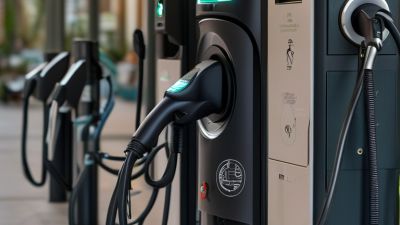
Charging access often decides daily comfort. A home charger may need suitable wiring, parking permission, and professional installation. Public charging should be measured by location, reliability, payment methods, and average waiting time. A vehicle rated for long range is less useful when highway chargers are several hours apart. Real winter driving, heavy cargo, and air conditioning can reduce the advertised distance noticeably.
Safety deserves independent attention. Review crash-test results, emergency braking performance, child-seat access, and software update policies. Some advanced driving features work poorly with faded road markings or heavy rain. I would test them carefully rather than trust promotional language. Availability also affects ownership quality. Confirm local parts stock, trained technicians, repair times, and resale demand before ordering. A common configuration may be easier to maintain than a rare imported version. My own comparison process would include a week of normal commuting, not only a short showroom drive. That approach costs time, but it exposes uncomfortable weaknesses, such as slow charging, awkward screens, or poor visibility.
Ownership comparison based on representative 2024 global market conditions across purchase price, charging practicality, safety performance, and market availability.
Scores are normalized from 0 to 100 using typical segment-level price ranges, real-world charging access, results from established independent vehicle-safety testing programs, and availability across major global markets. Higher scores indicate easier ownership. Segment-level figures vary by country, incentives, electricity prices, and local infrastructure.
Reference framework: International Energy Agency Global EV Outlook, international public-charging statistics, and independent global vehicle-safety assessment programs.