What is a New Energy Vehicle and How Does It Impact Our Future?
New Energy Vehicles (NEVs) symbolize a pivotal shift in the automotive landscape. They rely on alternative energy sources like electricity or hydrogen. Dr. Emily Chen, a leading expert in sustainable transportation, notes, "The future of mobility is driven by innovation in New Energy Vehicles."
As cities grow and environmental concerns escalate, NEVs offer solutions. They promise reduced carbon emissions and cleaner air. Yet, challenges remain. The infrastructure for charging and refueling needs expansion. Consumer awareness is still low.
NEVs may revolutionize transportation, but they also require reflection. How can we make them more accessible? Will the market adapt quickly enough? These questions linger as we step into an era where New Energy Vehicles are crucial for our future.
Definition and Classification of New Energy Vehicles
New Energy Vehicles (NEVs) are gaining traction in the automotive market. These vehicles utilize alternative energy sources. They include electric vehicles (EVs), hybrid vehicles, and hydrogen fuel cell vehicles. NEVs aim to reduce dependence on fossil fuels. This shift reflects growing environmental concerns.
Electric vehicles run solely on batteries. They produce zero emissions, which is a significant advantage. Hybrids combine traditional engines with electric power. This mix can enhance fuel efficiency while reducing emissions. Hydrogen fuel cell vehicles generate power through chemical reactions. Each type plays a crucial role in our transition to sustainable transport.
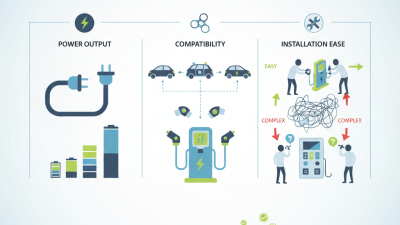
Tip: When considering an NEV, think about daily driving habits. Assess how far you typically travel. Charging infrastructure is another key factor. Some areas have limited access to charging stations.
NEVs can be easier on your wallet in the long run. While the initial cost might be higher, fuel savings can add up. However, some people hesitate. They worry about battery lifespan and the resale value of NEVs. It’s essential to weigh these factors before making a decision.
Types of New Energy Vehicles and Their Technologies
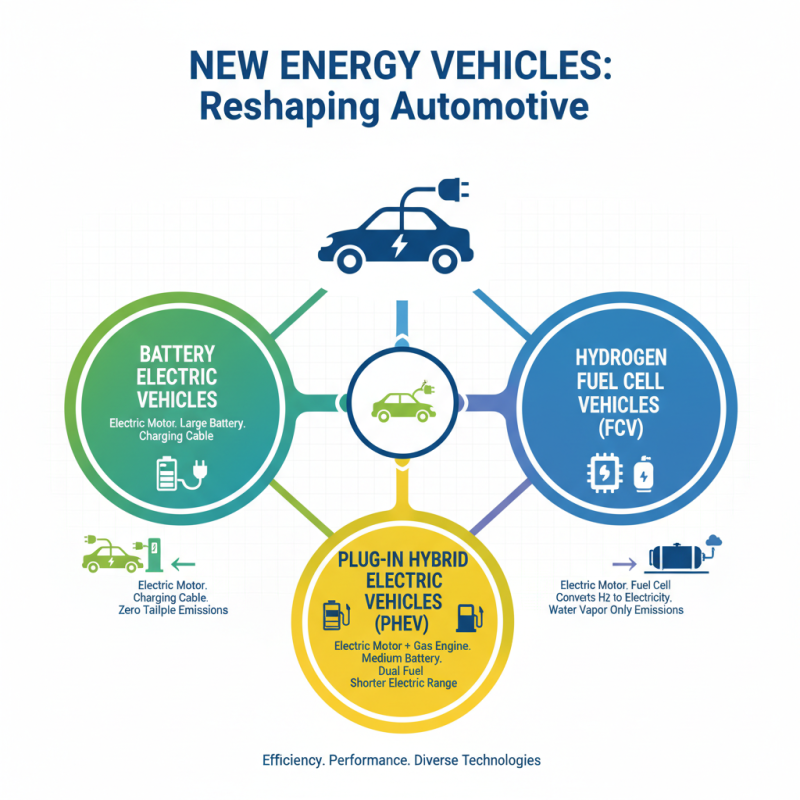
New energy vehicles (NEVs) are changing the automotive landscape. They mainly include battery electric vehicles (BEVs), plug-in hybrid electric vehicles (PHEVs), and hydrogen fuel cell vehicles (FCVs). Each type uses distinct technologies, influencing their efficiency and performance.
BEVs are entirely powered by electric batteries. A 2022 report by the International Energy Agency showed that global sales of BEVs surged to 6.6 million units. This corresponds to nearly 9% of all automotive sales. These vehicles offer zero tailpipe emissions but face challenges such as limited range and long charging times. PHEVs combine an internal combustion engine with an electric motor. They can travel on electricity alone for short distances. A study from Bloomberg New Energy Finance indicates that PHEVs accounted for 4% of global auto sales in 2021.
FCVs utilize hydrogen, producing only water vapor as emissions. Their refueling time is similar to gasoline cars, which is a significant advantage. However, the current infrastructure for hydrogen is lacking, leading to limited adoption. Industry experts argue that while NEVs promise a cleaner future, numerous issues remain unresolved, such as battery disposal and the need for sustainable energy sources. Addressing these challenges is essential for their widespread acceptance and effectiveness in reducing carbon emissions.
Environmental Benefits of New Energy Vehicles
New Energy Vehicles (NEVs) are changing our world.
These vehicles, which include electric cars and hybrids,
offer significant environmental benefits. They produce fewer emissions compared to traditional gasoline vehicles,
which reduces air pollution. Cities are already noticing cleaner air as more NEVs hit the roads.
This shift can lead to healthier communities
and a reduction in respiratory diseases.
However, NEVs are not without their challenges.
The production of batteries often involves harmful mining practices. This reality raises questions about sustainability.
Additionally, charging stations are still not widespread in many areas.
People might hesitate to switch to electric cars without convenient access to charging points.
It’s crucial to address these issues as we move towards a greener future.
Investing in renewable energy sources for electricity
can enhance the benefits of NEVs. Wind and solar power can help decrease the carbon footprint of electric vehicles.
Yet, the transition requires collective effort and innovation.
Relying solely on NEVs won't solve all our environmental issues. It’s a step,
but we must also consider public transportation
and alternative travel methods in our quest for sustainability.
Economic Impacts of New Energy Vehicles on the Industry
New energy vehicles (NEVs) are reshaping the automotive industry. These vehicles include electric cars, hybrids, and hydrogen fuel cell vehicles. Their adoption is changing how we think about transportation. The economic impacts of NEVs are significant and multifaceted.
As NEVs become more popular, traditional manufacturers face challenges. They must adapt to new technologies. This can be costly and complex. Some companies may not make the transition smoothly. Some older automotive jobs may disappear. At the same time, new jobs in green technology arise. Workers will need new skills to keep up.
Tip: Embrace learning opportunities. Stay updated on emerging technologies.
NEVs also impact supply chains. Battery production requires rare materials. This raises ethical concerns about sourcing practices. Companies should reflect on their supply chains. Transparency is critical. Not every manufacturer addresses these issues adequately.
Tip: Research the local components. Support companies that practice sustainability.
In this evolving landscape, economic growth can be unpredictable. Consumers' preferences shift towards greener options. Yet, the transition may not be uniform. It raises questions about equity and accessibility. NEVs could leave some communities behind.
What is a New Energy Vehicle and How Does It Impact Our Future? - Economic Impacts of New Energy Vehicles on the Industry
| Dimension |
Metric |
Value |
| Market Growth |
Projected CAGR |
25% (2023-2030) |
| Investment |
Global Investment in EVs |
$300 Billion (2023) |
| Employment |
Jobs Created in Sector |
1.2 Million by 2030 |
| Environmental Impact |
CO2 Emissions Reduction |
1.5 Billion Tons (by 2030) |
| Battery Technology |
Average Battery Cost |
$100/kWh (2023) |
| Infrastructure |
Number of Charging Stations |
2 Million Worldwide (2023) |
| Policy Support |
Government Incentives |
Up to $7,500 per Vehicle |
Future Trends and Innovations in New Energy Vehicles
The landscape of new energy vehicles (NEVs) is changing rapidly. A report from the International Energy Agency (IEA) suggests that NEV sales could reach over 30 million units by 2030. This surge reflects growing consumer interest in eco-friendly alternatives. Yet, challenges persist. Charging infrastructure still lags behind demand in many areas.
Battery technology is another area ripe for innovation. Current lithium-ion batteries have limitations, including range anxiety and lengthy charging times. Researchers are exploring solid-state batteries, which promise faster charging and increased safety. However, achieving mass production remains a challenge.
Despite these hurdles, the benefits of NEVs are substantial. They could reduce greenhouse gas emissions significantly, potentially cutting urban air pollution levels by up to 30%. Still, the environmental impact of battery production and disposal raises critical questions. Will the rush to embrace NEVs overshadow these issues? The future of transportation hinges on balancing innovation with responsibility.