How to Navigate the Charging Pile Industry for Electric Vehicles?
The Charging Pile Industry is rapidly evolving. As electric vehicles gain popularity, the demand for charging stations increases. This industry presents many opportunities but also challenges. Understanding its landscape is crucial for stakeholders.
Navigating the Charging Pile Industry requires awareness of technology and market trends. New innovations emerge regularly, changing the way users charge their vehicles. Industry players must adapt quickly. Some find it overwhelming. Market saturation could lead to fierce competition, making strategic planning essential.
Many newcomers struggle with initial investment costs. Locating suitable sites for charging piles can be difficult. Users often experience varying charging speeds. This inconsistency is a frustration. Yet, these challenges offer valuable lessons. Reflecting on experiences can guide future decisions in this dynamic environment.
Understanding the Electric Vehicle Charging Pile Industry Landscape
The electric vehicle charging pile industry is rapidly evolving. Various stakeholders shape this landscape. Manufacturers, utilities, and service providers all play crucial roles. Cities are also investing in infrastructure. This increasing demand for charging solutions highlights the need for innovation.
Navigating this industry can be complex. Different types of charging piles exist, each serving unique needs. Fast chargers are essential for urban areas. Level 2 chargers provide convenience at homes and workplaces. However, regional regulations can confuse newcomers. Understanding local policies is crucial for compliance.
Moreover, choosing the right technology can be challenging. Not all charging systems are compatible with every vehicle. This issue can lead to user frustration. Organizations must also prioritize reliability and maintenance. A poorly maintained charging pile can deter users. Reflecting on these challenges can lead to better decision-making in this growing industry.
Key Stakeholders in the Charging Pile Ecosystem
In the electric vehicle (EV) ecosystem, charging piles play a vital role. Key stakeholders include manufacturers, service operators, and government entities. According to industry data, the global EV charging market is expected to grow by over 40% annually, reaching $27 billion by 2027. This rapid expansion emphasizes the need for collaboration among these players.
Manufacturers design the technology behind the charging solutions. They focus on efficiency and user-friendliness, aiming to reduce charging time. However, technical challenges persist, such as standardization issues. Service operators manage the installation and maintenance of charging stations. Their revenue relies heavily on usage rates, which fluctuate based on location. Reports show that urban areas attract more users, highlighting the necessity for strategic placement.
Governments influence the market through policies and incentives. By subsidizing infrastructure development, they encourage the adoption of EVs. Yet, regulatory hurdles can delay progress. For instance, permitting processes may take months or years. As stakeholders navigate these dynamics, they must be adaptable. Balancing technological advancements with policy frameworks will be crucial for sustainable growth in the charging pile industry.
Types of Charging Piles and Their Applications
Charging piles for electric vehicles come in various types, each suited for specific applications. Level 1 charging piles provide a simple solution for home use. They operate on standard outlets and are user-friendly. However, they charge slowly, often taking several hours to complete a full charge. This can be impractical for those who drive long distances regularly.
Level 2 charging piles are more versatile and faster. Suitable for both residential and commercial use, they can fully charge a vehicle in a matter of hours. They require a dedicated electrical circuit, which can be a hurdle for some. Fast chargers, often found at public stations, offer rapid charging within 30 minutes. Yet, their high installation cost can deter wider adoption.
Another emerging option is the DC fast charging pile. These are ideal for highways, allowing drivers to recharge while on the go. But they aren't as widespread, requiring significant infrastructure investment. It's worth reflecting on the balance between speed and accessibility when choosing a charging solution. Each type has its own advantages and limitations, which can lead to frustration for users. Do we prioritize convenience or fast charging?
How to Navigate the Charging Pile Industry for Electric Vehicles? - Types of Charging Piles and Their Applications
| Type of Charging Pile |
Power Output (kW) |
Charging Time |
Typical Use Case |
Installation Location |
| Level 1 Charging Pile |
1.2 - 2.4 kW |
8-12 hours |
Home charging |
Residential |
| Level 2 Charging Pile |
3.7 - 22 kW |
4-8 hours |
Public charging stations |
Commercial, public |
| DC Fast Charging Pile |
50 - 350 kW |
30 minutes - 1 hour |
Highway charging |
Highways, travel plazas |
| Ultra-Fast Charging Pile |
350 kW and above |
15-30 minutes |
Long-range travel |
Major travel routes |
Regulatory Standards and Incentives for Charging Infrastructure
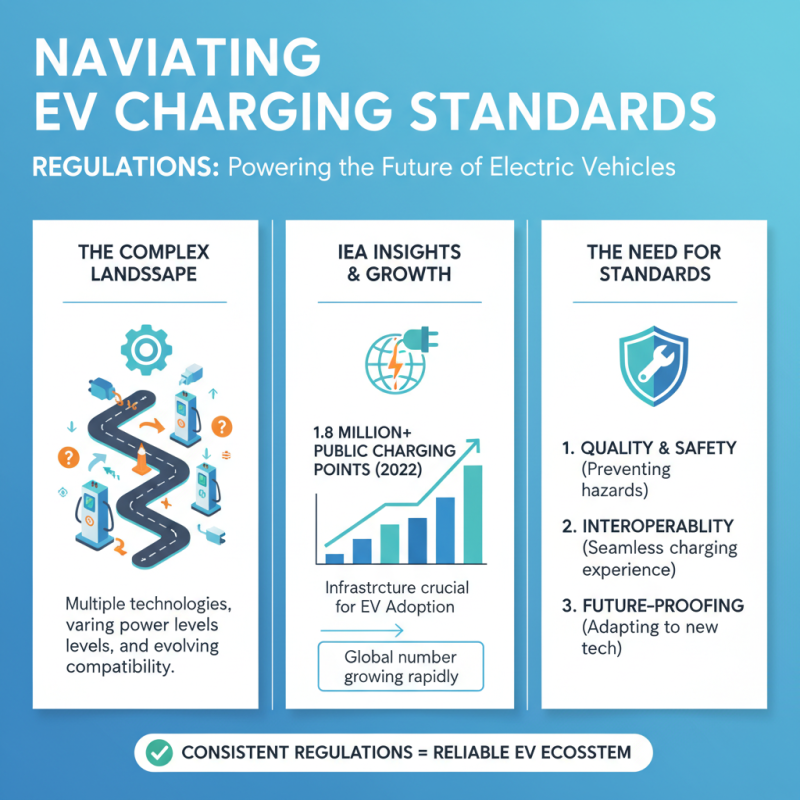
Navigating the charging pile industry for electric vehicles can be complex. Regulatory standards play a pivotal role in shaping this landscape. The International Energy Agency (IEA) indicated that infrastructure development is crucial for widespread EV adoption. As of 2022, there were over 1.8 million public charging points worldwide. This number emphasizes the importance of consistent regulations to maintain quality and safety in charging stations.
Incentives from governments are also vital. Many regions offer grants and tax credits to enhance charging infrastructure. For example, in 2023, approximately 30% of funding for EV projects came from such incentives. These can significantly lower initial installation costs for businesses looking to invest.
Tip: Always stay updated on local policies. Changing regulations can impact project feasibility.
Another crucial aspect is compliance. Some operators may face challenges in meeting the required standards. Inspecting charge points for adherence to local guidelines is essential but often overlooked.
Tip: Consider allocating resources for regular audits. It will save time and costs in the long run.
In personality, navigating these complexities can lead to obstacles. However, understanding the regulatory landscape can facilitate better planning and execution.
Future Trends and Challenges in the Charging Pile Market
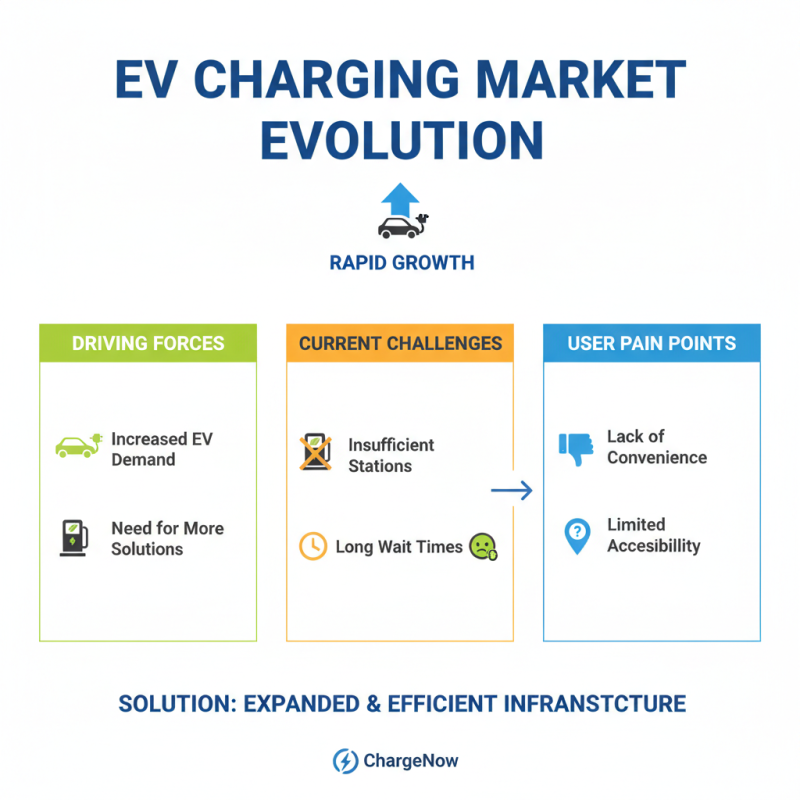
The charging pile market is rapidly evolving. Increased demand for electric vehicles pushes the need for more charging solutions. However, not all charging infrastructure meets current demands. Many locations lack sufficient charging stations, leading to long wait times. This is a significant challenge for users who desire convenience.
Future trends show a push for faster charging technologies. Wireless charging is gaining attention, promising to simplify the process. Users want stations that are easy to find. Unfortunately, many existing networks are fragmented and inconsistent. Users may struggle to locate compatible stations. There’s also the concern of overloading the grid as more electric vehicles hit the roads.
Sustainability remains another challenge. The energy sources for charging piles must be renewable. Yet, there are gaps in policies supporting this transition. Stakeholders must reflect on their strategies. They must ensure that the growth of charging infrastructure aligns with the environmental goals. As the market matures, continuous evaluation and adaptation will be key to facing these challenges effectively.