How to Install Private Charging Piles at Home for Electric Vehicles?
As electric vehicles (EVs) become increasingly popular, the need for convenient charging solutions grows. One of the best options for EV owners is installing private charging piles at home. These dedicated charging stations provide a safe and efficient way to power your vehicle overnight. Understanding the installation process is essential for maximizing this benefit.
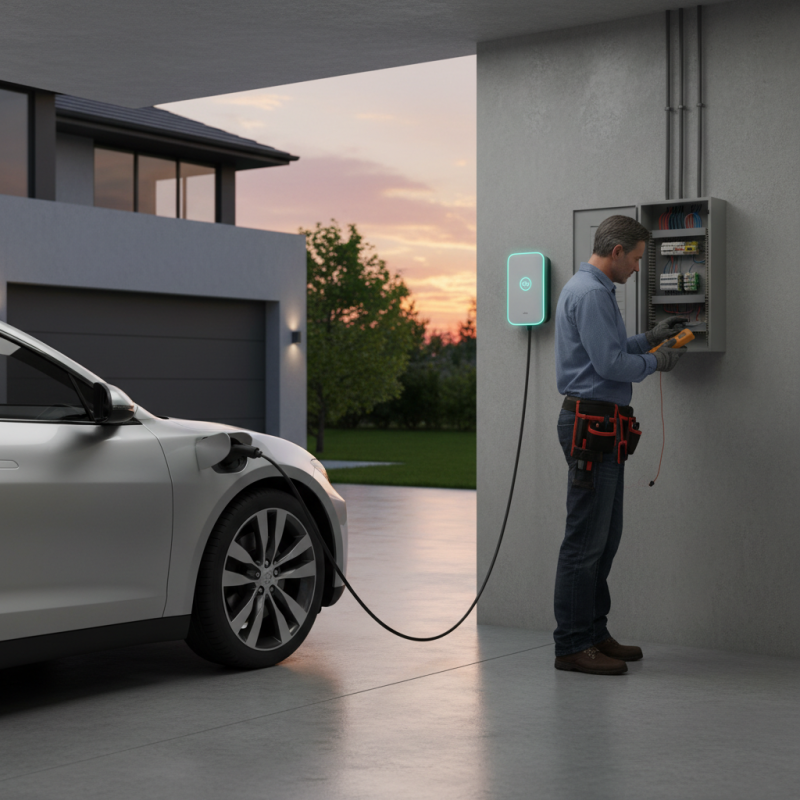
Choosing the right location for your private charging piles is crucial. Look for a space that is easily accessible, ideally near your parking spot. The installation also requires consideration of your home's electrical capacity. Consulting a professional electrician can ensure you meet all necessary standards.
While many homeowners successfully install these charging piles, some face unexpected challenges. For instance, local permitting and utility regulations can vary. It's vital to research these regulations to avoid potential issues. Ultimately, installing private charging piles can enhance your EV experience, offering both convenience and peace of mind.
Understanding the Basics of Home Charging Piles for Electric Vehicles
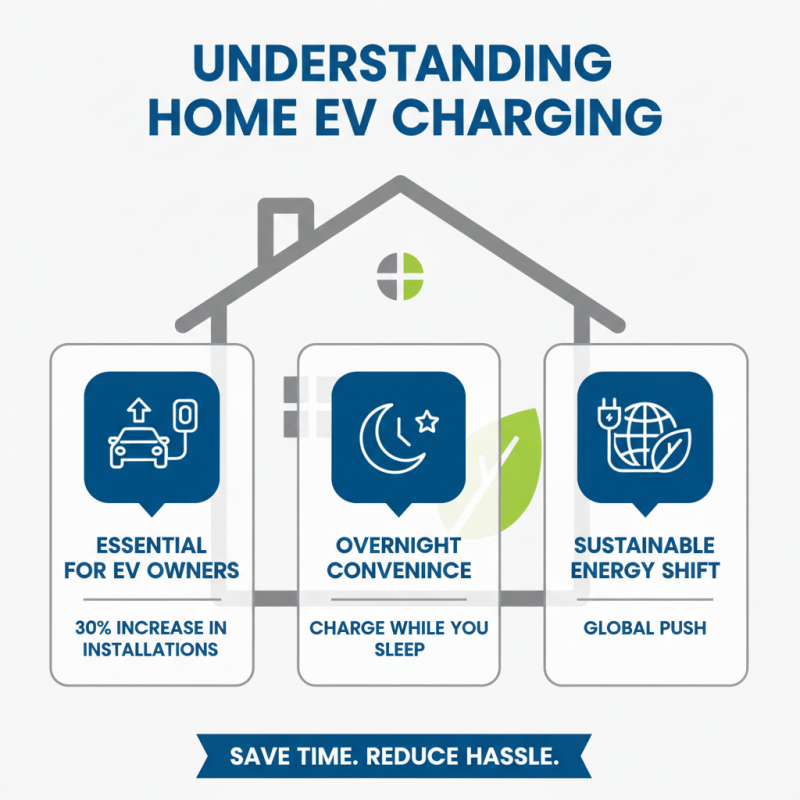
Home charging piles are becoming essential for electric vehicle (EV) owners. A growing number of households are investing in this technology, which has seen a 30% increase in installations over the past year. This shift aligns with the global push towards sustainable energy. Home charging piles offer convenience. They allow EV owners to charge their vehicles overnight. This can save time and reduce the hassle of finding public charging stations during the day.
Understanding the basics is crucial. Most home charging installations are Level 2 chargers. These chargers typically use a 240-volt outlet. They can fully charge an EV in about four to eight hours. According to the U.S. Department of Energy, Level 2 charging can provide up to 25 miles of range per hour. However, it’s important to consider your home’s electrical capacity. You may need an upgrade, which could be a costly endeavor.
Choosing the right location for installation matters too. Homes with garages are usually ideal. This protects your charging equipment from weather elements. Yet, some homeowners may face space constraints or local regulations. There can be unexpected costs or delays. Therefore, thorough research and consultation with professionals are vital. Understanding the local codes can lead to smoother installations and compliance.
Choosing the Right Location for Your Electric Vehicle Charging Installation
Choosing the right location for installing a private charging pile at home is crucial. It affects both convenience and efficiency. Look for a spot near your home's main entrance. This saves time and reduces the distance to your vehicle. Many homeowners overlook accessibility. Don't make this common mistake. Ensure the location allows easy access to your electric vehicle.
Consider the weather conditions in your area. If it often rains or snows, position the charger under a shelter, if possible. This will prolong the lifespan of your charging equipment. Pay attention to your home’s electrical system as well. The installation site should minimize long cable runs. This helps avoid voltage drops that can affect charging speed.
Evaluating your driveway space is also essential. If it is narrow, placing the charger too close to the street may complicate use. You might need an extension cord, which is not ideal for safety and efficiency. It's important to periodically reassess your charging setup as needs may change. Sometimes, what seemed like a great spot can become a hassle over time. Reflect on your daily routines and come up with the best solution for your electric vehicle charging needs.
Essential Tools and Equipment for Installing a Home Charging Pile
When installing a home charging pile for electric vehicles (EVs), having the right tools and equipment is crucial. Essential tools include a voltage tester and a drill for wall anchoring. According to industry reports, about 66% of EV owners have opted for home charging, highlighting the need for proper installation. Ensure that you have sturdy mounting hardware and appropriate cabling. The cabling should support the amperage needed for your charger, typically requiring a gauge suitable for 30 amps or more.
Safety equipment is also vital. Using safety goggles and gloves will protect you from any unforeseen hazards during installation. It’s important to have a circuit breaker integrated into your setup to prevent overload situations. In the U.S., the National Electric Code (NEC) provides guidelines that can safeguard your installation process, ensuring reliability and safety.
You may find that navigating local electrical codes can be challenging. Consulting with licensed electricians can mitigate risks. While a DIY approach is appealing, mistakes can lead to dangerous situations. Research shows that about 30% of home installation projects require professional assistance due to initial errors. Prioritize safety to avoid costly repairs later.
Step-by-Step Installation Process for Private Charging Piles
Installing private charging piles at home for electric vehicles requires careful planning and execution. Start by assessing your home’s electrical infrastructure. The U.S. Department of Energy indicates that most households can support a Level 2 charger, providing around 25 miles of range per hour of charging. However, check your circuit panel for sufficient amperage. A licensed electrician can provide invaluable insight here.
Next, choose the right location for your charging pile. It should be accessible yet sheltered from the elements. The National Renewable Energy Laboratory suggests that proper placement enhances user experience. For instance, installing your charger near a garage door or parking area makes it more convenient. Additionally, ensure the site complies with local regulations, which may require a permit. Ignoring this could lead to costly fines or safety issues.
Once you have selected a location, it’s essential to decide on the installation process. Engaging a certified installer is highly recommended. Reports indicate that over 80% of home charging issues arise from improper installation. A professional will ensure your pile is connected correctly and meets local electrical codes. Regular maintenance checks are also crucial. This not only prolongs the lifespan of the charging station but also ensures it operates efficiently. Don’t overlook these steps, as a small oversight can lead to major headaches later.
How to Install Private Charging Piles at Home for Electric Vehicles? - Step-by-Step Installation Process for Private Charging Piles
| Step |
Description |
Estimated Time |
Required Tools |
Safety Tips |
| 1 |
Choose the installation location for the charging pile. |
1 hour |
N/A |
Check accessibility and avoid obstructing pathways. |
| 2 |
Obtain necessary permits and check local regulations. |
2 hours |
Documentation |
Ensure compliance with local codes. |
| 3 |
Install the electrical circuit according to specifications. |
3-4 hours |
Drill, wiring tools, electrical tape |
Turn off the main power supply before installation. |
| 4 |
Mount the charging pile and connect it to the circuit. |
2 hours |
Wrench, screwdriver, level |
Ensure stable and secure mounting. |
| 5 |
Test the charging pile to ensure proper functionality. |
1 hour |
Multimeter |
Monitor for overheating or other issues during initial test. |
Safety Considerations and Maintenance Tips for Home Charging Stations
When installing a private charging pile for your electric vehicle at home, safety should be a top priority. Start by ensuring that your home’s electrical system can handle the additional load. A licensed electrician can assess this for you.
Improper installation can lead to overheating or even fire hazards. Regular inspections of wiring and connections are essential. This helps catch any issues early, avoiding larger problems down the road.
Maintenance of your charging station is crucial for longevity. Clean the charging port and cable regularly to prevent dirt accumulation. Check for frayed wires or signs of wear. Consider checking the functionality of the station yearly with a professional. If you notice unusual noises or smells during use, disconnect it immediately. Each of these steps can make a substantial difference in your charging station's performance and safety.
Always use proper protective equipment if you do minor maintenance. Remember, safety should never be an afterthought.