How to Install an Electric Car Charger at Home for Maximum Convenience
The rise of electric vehicles is changing how we think about transportation and home energy use. To maximize convenience, installing an Electric Car Charger at home is essential. This not only ensures your vehicle is always ready but also saves time and money.
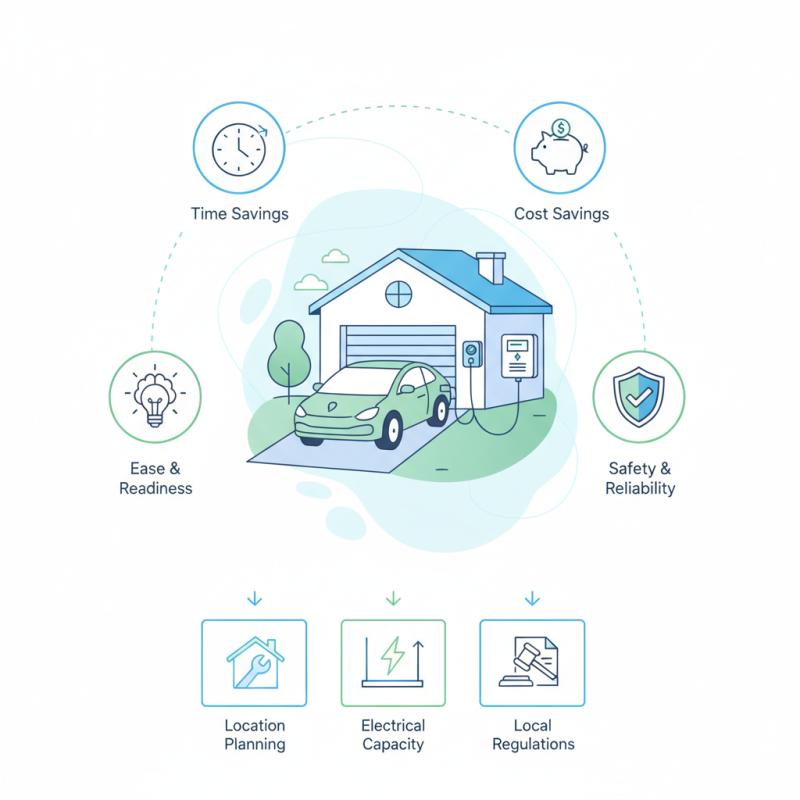
Picture this: returning home after a long day at work, you pull into your driveway, and there it is—your Electric Car Charger waiting for you. The thought of simply plugging in and walking away is appealing. Yet, the installation process can be daunting. There are many factors to consider, such as location, electrical capacity, and safety.
Despite the benefits, not everyone knows where to start. Many face challenges, such as insufficient electrical infrastructure or local regulations. It’s vital to reflect on these aspects before diving into the installation. Understanding these details can help avoid future headaches. An Electric Car Charger should enhance your life, not complicate it.
Understanding the Different Types of Electric Car Chargers Available Today
When considering an electric car charger, it’s essential to understand the types available. Level 1 chargers are the most basic option. They plug into standard household outlets. Charging is slow, often taking over over 12 hours to fully charge a vehicle. This might work for some, but it's not ideal for everyone.
Level 2 chargers offer a better solution. They require a dedicated 240-volt outlet. With these chargers, you can expect a full charge in just a few hours. Many homeowners are installing them in garages or driveways. However, installation can be tricky. It’s smart to hire a professional electrician. This ensures safety and proper setup.
Fast chargers, or Level 3 chargers, are less common for home use. They are mainly found in public charging stations. Their ability to provide rapid charging makes them appealing. Still, they require significant electrical capacity, which isn't always feasible in residential areas. Homeowners should evaluate their daily driving needs before choosing a charger type. Understanding these nuances can lead to better long-term decisions.
Assessing Your Home's Electrical System for Charger Installation
Assessing your home’s electrical system is crucial before installing an electric car charger. Start by checking your main electrical panel. It should have enough capacity to support the additional load. Most chargers require a dedicated circuit. If you have an older panel, it might need an upgrade. This can be expensive and time-consuming.
Next, evaluate the wiring in your home. Look for any signs of wear or outdated materials. If your wiring isn't up to code, it could pose safety risks. You may need to replace or upgrade it. An electrician can help with this assessment. It’s vital to ensure your home can handle the demands of a charger.
Consider the location of the charger, too. It should be easily accessible but away from potential hazards. Think about the distance from your panel. Shorter distances can reduce installation costs. Reflect on whether your garage or driveway has sufficient space for installation. All these factors play a role in making your charger functional and safe.
Choosing the Optimal Location for Your Electric Car Charger at Home
Choosing the optimal location for your electric car charger can greatly enhance your convenience. According to the Electric Power Research Institute, nearly 80% of electric vehicle owners charge at home. Therefore, selecting the right spot is crucial. Ideally, place the charger near your parking area to minimize the distance from your vehicle. A garage or driveway is often the most convenient location.
Consider the accessibility of your site. Is there proper lighting? Can you easily reach the charger's plug without any obstacles? These aspects may seem trivial but can impact your daily experience. In fact, a study from the National Renewable Energy Laboratory indicates that proper placement can reduce charging times by up to 25%. However, take note of the potential for outdoor exposure. Weather conditions may lead to wear and tear.
Keep in mind that wiring and electrical capacity are also essential matters. Assess whether your home can support the charger's requirements. Many homeowners overlook this, leading to complications down the line. Electric vehicle chargers typically need a dedicated circuit. What happens if your electrical system cannot handle the demand? Planning and understanding your capacity can prevent these frustrations.
Step-by-Step Installation Process for Level 2 Home Chargers
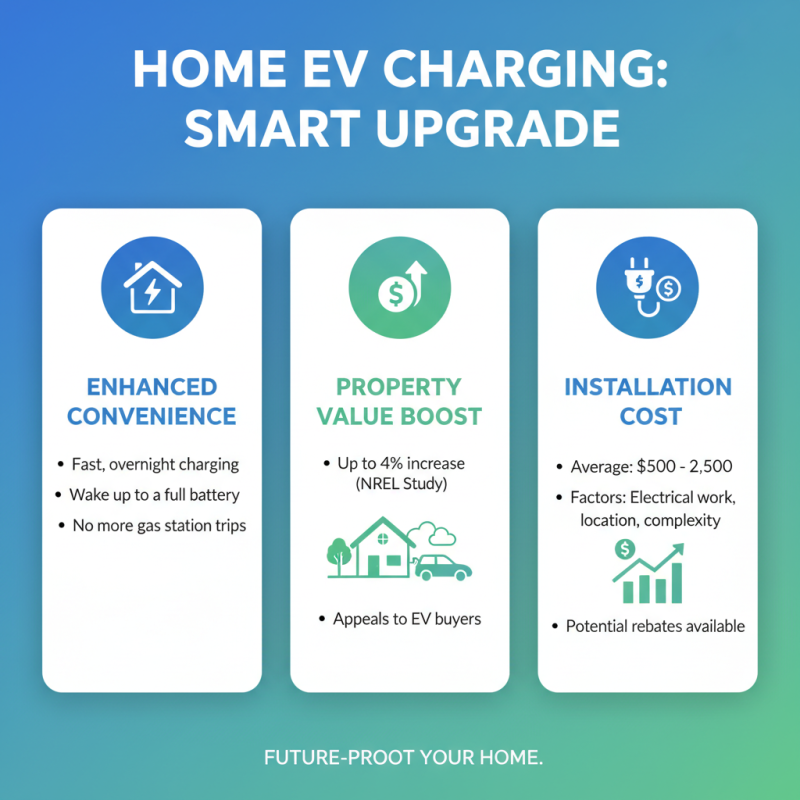
Installing a Level 2 electric car charger at home can enhance convenience. The average cost of home charging installation ranges from $500 to $2,500. This depends on factors like electrical capacity, location, and installation complexity. Many reports show that homes with electric vehicle chargers see significant increases in property value. A National Renewable Energy Laboratory study suggests that charging stations can boost home prices by up to 4%.
Choosing the right location is crucial. Ideally, the charger should be close to your parking space. Make sure it’s sheltered from harsh weather. This minimizes wear and tear on your equipment. It’s also wise to consult a licensed electrician. They can determine whether your home’s electrical system can handle the new charger. Electrical upgrades can add to costs and complexity.
When installing, prioritize safety. Unsuitable wiring can lead to hazards. Regularly check your charger and connections for any signs of wear. Adapting to electric vehicles requires reflection on your current infrastructure. Are your home’s electrical systems modernized? Investing in a charger demands research and consideration. Understanding these challenges can lead to a smoother installation process.
Important Safety Standards and Regulations for Electric Vehicle Chargers
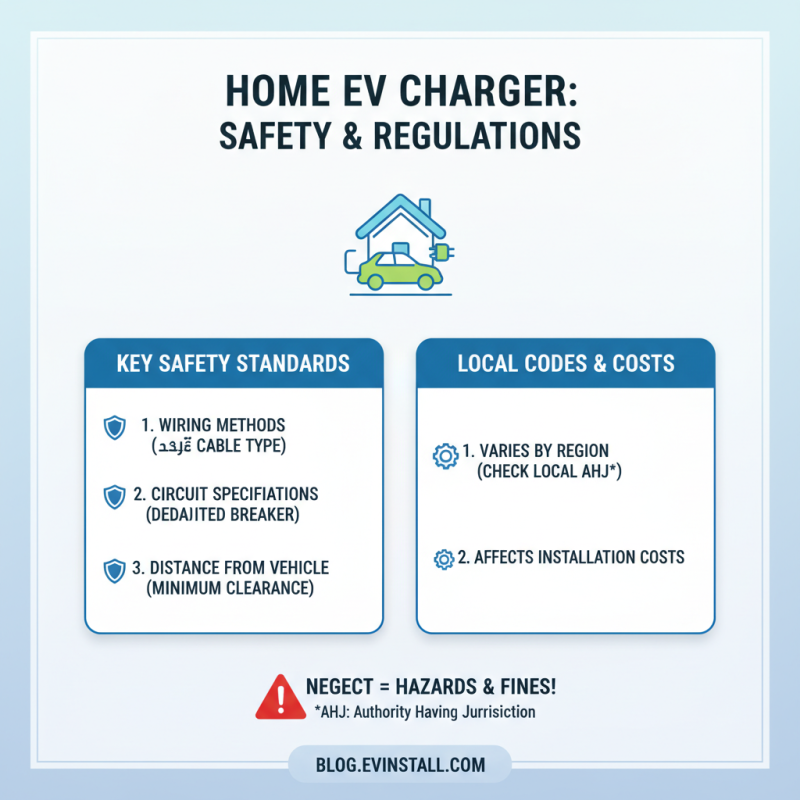
When installing an electric car charger at home, safety standards and regulations are paramount. Familiarizing yourself with local codes is crucial. These rules govern wiring methods, circuit specifications, and even the distance between the charger and your vehicle. They vary by region and can affect installation costs significantly. Neglecting these can lead to hazards or expensive fines.
Consider the amperage requirements of your charger. Higher amperage may necessitate a dedicated circuit. This ensures safety and efficiency. Improperly installed chargers can cause overheating, leading to potential fire hazards. It’s also essential to use properly rated cables for your setup. Using incorrect cables could lead to voltage drops or electrical failures. Always have a licensed electrician review your plans.
Regular inspections of your charger and its components are wise. Over time, wear and tear can lead to issues. Check for signs of damage, such as frayed wires or loose connections. It's easy to overlook these details, but they are vital. Even small issues can escalate into serious problems. Prioritizing safety standards not only protects your home but also enhances the longevity of your investment.