How to Choose the Best Charging Facilities for Your Business?
Selecting the right charging facilities for your business is crucial in today’s electrifying world. David Green, a leading expert in charging infrastructure, emphasizes, “The right charging setup can enhance customer satisfaction and drive loyalty.” This statement highlights the importance of thoughtful decision-making in choosing optimal charging solutions.
When evaluating charging facilities, businesses must consider various factors. The location is key; it should be easily accessible for customers. Additionally, power output plays a significant role. High-speed chargers can save time and increase usage. However, the upfront cost may raise concerns.
Flaws do exist in every system. Not all charging setups are reliable; some experience downtime. This can lead to customer frustration. Regular maintenance and the right partner can mitigate these issues. It’s essential to reflect on these challenges to ensure your charging facilities serve your business effectively.
Identifying Your Business's Charging Needs and Requirements
When selecting charging facilities for your business, understanding your specific charging needs is crucial. Start by assessing the type of vehicles used by your team. Are they electric cars or scooters? This will determine the type of chargers you require. Analyze your daily operations. Do employees mainly charge at work, or are there off-site charging needs?
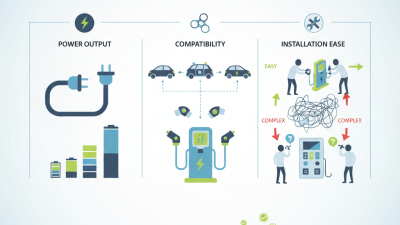
Consider the power output of the chargers. Fast chargers are beneficial for quick turnarounds. However, they may not be necessary for facilities with longer charging durations. Remember, installation costs can also vary significantly based on the complexity of your electrical setup. It's easy to overlook these operational details, leading to poor investments.
**Tips:**
1. Consult with an energy expert. They can help gauge your current energy capacity.
2. Evaluate potential future growth. Will your business need more chargers later? Plan for scalability.
3. Engage with employees to understand their charging frequency and preferences. Hearing their input can shape better decisions.
Understanding these details helps create a more reliable charging infrastructure tailored to your business's unique needs.
How to Choose the Best Charging Facilities for Your Business? - Identifying Your Business's Charging Needs and Requirements
| Charging Facility Type |
Power Output (kW) |
Charging Time (hours) |
Ideal Usage Scenario |
Cost Considerations |
| Level 1 Charging |
1.4 - 2.4 kW |
8-12 hours |
Home or small business use |
Low installation cost |
| Level 2 Charging |
3.3 - 22 kW |
4-6 hours |
Workplace or commercial settings |
Moderate installation cost |
| DC Fast Charging |
50 - 350 kW |
20-60 minutes |
High-traffic charging stations |
High installation and operational costs |
| Wireless Charging |
3.6 - 7.2 kW |
Varies |
Future-focused installations |
Potentially high initial costs |
Evaluating Different Types of Charging Facilities Available
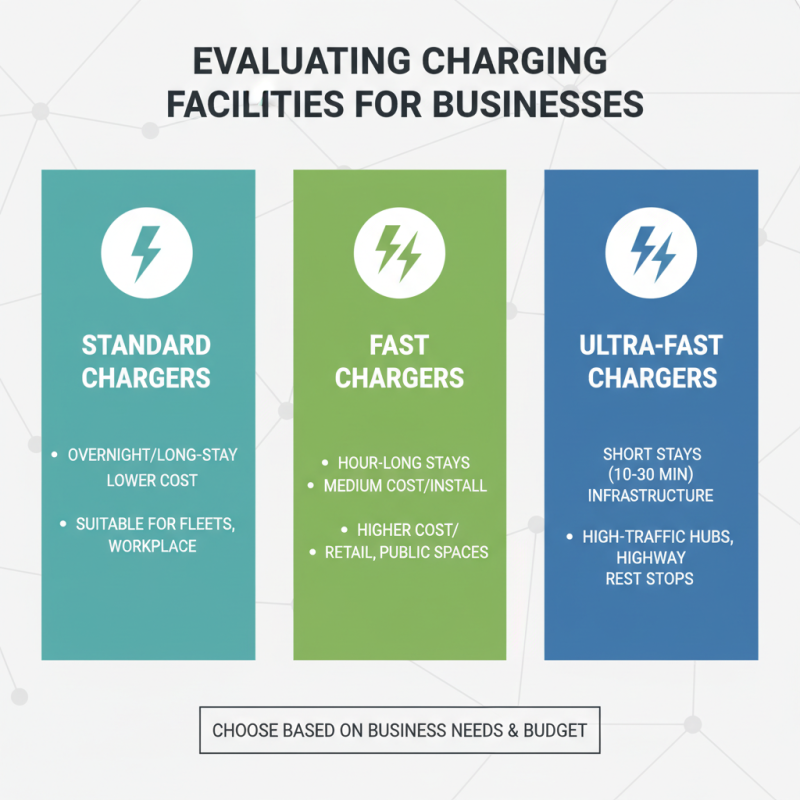
When evaluating different types of charging facilities, think about your business needs. Businesses today often require diverse solutions. There are standard chargers, fast chargers, and even ultra-fast options. Each type has unique benefits and costs, influencing your choice.
Standard chargers are often more affordable. They work well for businesses with slower turnover. If customers stay longer, these chargers provide a great solution. Fast chargers can significantly reduce the waiting time. They are ideal for busy locations with high traffic.
Consider installation and maintenance needs as well. Some charging stations require more frequent servicing. Understand the potential downtime and its impact on your operations. Accessibility is another critical factor. Ensure that the charging stations are easy to find and use. Create a smooth experience for your customers while reinforcing your brand values.
Analyzing Cost-Effectiveness and Budget Considerations
When selecting charging facilities for your business, cost-effectiveness and budget considerations are crucial.
The initial investment can be significant. However, understanding long-term savings is essential. Evaluate the total cost of ownership, including installation, maintenance, and energy consumption.
Tips: Consider seeking expert opinions on installation. A professional assessment can pinpoint the best charging solutions for your needs. Not all chargers are equal in efficiency. Some may require higher energy costs, impacting your budget.
Another aspect to consider is the expected usage. How often will the chargers be used? If the usage is low, high-end options may not be necessary. Balance your investment with expected returns. Analyze data from similar businesses to gauge performance.
Tips: Don't overlook government incentives. Subsidies or tax credits can significantly reduce costs. Research available programs in your area.
Ultimately, adaptability matters. As your business evolves, so too might your charging needs. Regularly re-evaluate your options to ensure continued cost-effectiveness. A flexible approach will help you make informed decisions as technology advances.
Assessing Location and Accessibility for Charging Stations
When choosing charging facilities for your business,
location and accessibility play a vital role.
Assess the proximity of charging stations to your target audience.
Stations located near busy commercial areas attract more users.
Consider placing them near popular shopping centers, restaurants, or office complexes.
This ensures that they are easily accessible for customers,
increasing usage rates.
Accessibility also depends on the physical layout.
Charging stations should be simple to locate and reach.
Ample signage can guide drivers efficiently.
Ensure that there is sufficient space around the station for easy maneuvering.
This not only prevents congestion but also enhances user experience.
A well-placed charging station fosters a positive impression of your business.
Think about potential challenges as well.
Some locations may face high traffic, which can lead to long wait times.
Regularly assess traffic patterns to identify peak usage periods.
If a location consistently struggles with accessibility,
it may be time to explore alternatives.
Flexibility in updating your charging station placements can significantly impact customer satisfaction and overall success.
Exploring Additional Features and Services Offered by Providers
When choosing charging facilities, it's crucial to examine the additional features and services providers offer. Look for stations with multiple charging options. Fast chargers, level two outlets, and even solar-powered solutions can enhance user experience. Many businesses appreciate real-time monitoring through mobile apps. This feature helps users track charging status and costs, making it easier to plan their time.
Consider maintenance and support services. Some providers offer routine inspections and prompt repairs. Ensuring reliability is essential. Delays in charging can frustrate customers and impact business operations. Staff training on managing these facilities can further improve efficiency. Customers appreciate well-informed staff who can assist them promptly.
Lastly, examine the incentives for businesses. Some providers offer discounts or revenue-sharing models. These can alleviate initial setup costs. However, be wary of long-term contracts which might limit your options. Investing time in research on these aspects may lead to better decisions later. A facility may need adjustments after implementation, so remain open to feedback and improvements.