How to Find the Best Charging Facilities for Electric Vehicles?
Finding the best charging facilities for electric vehicles is essential in today’s increasingly green landscape. According to Dr. Alice Thompson, a leading expert in electric mobility, "The right charging infrastructure can make or break the EV experience." Her words echo the growing need for efficient and accessible charging stations.
As electric vehicles become more popular, choosing the best charging facilities becomes crucial. A growing network of chargers is available, but not all are created equal. Many EV owners often struggle to find reliable stations. This journey often leads to frustration when chargers are occupied or malfunctioning.
Considering factors such as location, charging speed, and availability is vital in narrowing down choices. Users should also reflect on their own charging habits. Creating a balance between convenience and efficiency is key. Ultimately, the right charging facilities can enhance the electric vehicle ecosystem and support sustainable transportation goals.
Understanding the Types of Charging Stations for Electric Vehicles
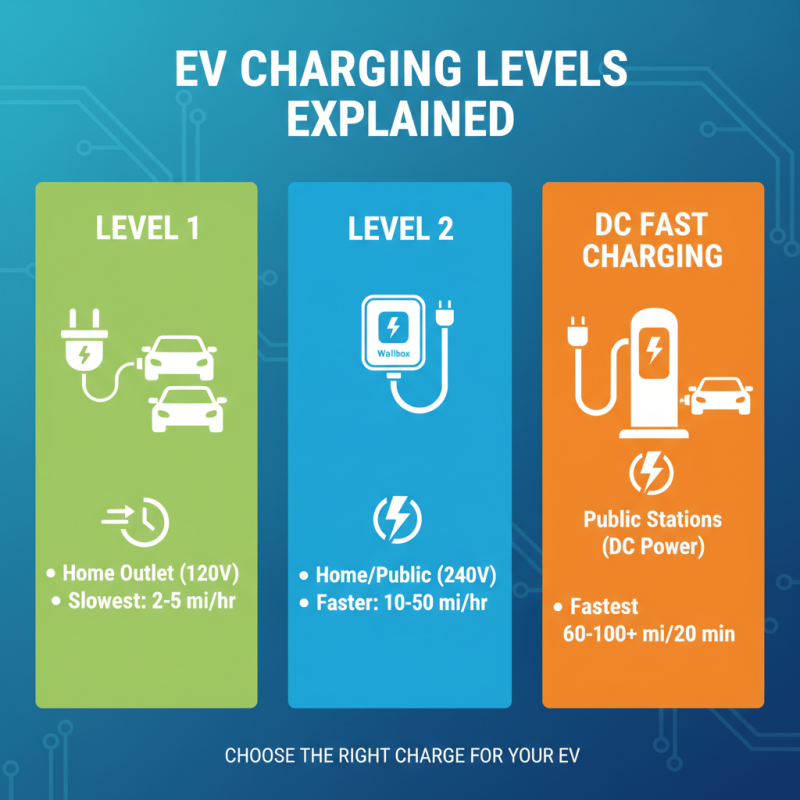
When exploring electric vehicle (EV) charging stations, understanding the types available is crucial. Charging stations generally fall into three main categories: Level 1, Level 2, and DC Fast Charging.
Level 1 charging uses a standard outlet. It is the slowest option, usually providing around 4-5 miles of range per hour. This type is often best for home use. If you have time, this can work well. But it may not be suitable for long trips.
Level 2 charging is much faster. It can deliver 10-20 miles of range per hour. Many public stations and workplaces offer this option. It’s a good balance between speed and accessibility. You may need to plan your stops when using these stations.
DC Fast Charging is the quickest option. It can charge an EV to 80% in about 30 minutes. However, these stations are not as widely available. Relying solely on them might lead to frustrations in rural areas.
Tips: Always check the station’s availability before going. Apps can help you find nearby stations. Consider your daily habits. If you charge overnight, Level 1 might be sufficient. If you often travel longer distances, look for fast charger networks in your area.
Assessing Charging Speed and Compatibility with Your Electric Vehicle
When it comes to electric vehicles (EVs), charging speed matters. Various reports indicate that fast chargers can significantly reduce downtime. For instance, a Level 3 charger can provide up to 80% charge in around 30 minutes. This is crucial for long trips. In contrast, standard Level 2 chargers may take several hours to fully charge a vehicle. Therefore, understanding the available charging options is essential.
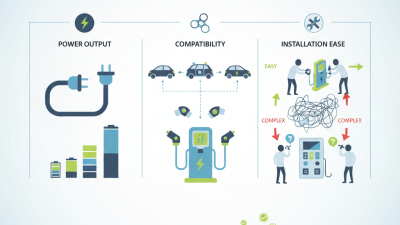
Compatibility also plays a vital role. Not all charging stations are suitable for every EV model. According to industry insights, more than 20 different charging standards exist worldwide. Failing to check compatibility can lead to frustration. Some users find themselves at stations that cannot charge their cars. This should prompt serious reflection on charging infrastructure.
Finding the perfect charging facility can be a challenge. While many apps help locate stations, they may lack real-time availability data. Imagine arriving at a station only to find it occupied. Such situations highlight the need for improvements in the network. Users should be aware of these limitations when planning their journeys.
Researching Charging Station Locations: Apps and Resources
Finding convenient charging station locations is vital for electric vehicle (EV) drivers. According to a recent industry report, only 20% of EV users are satisfied with the availability of charging stations. This indicates a growing demand for better resources. Many drivers rely on dedicated apps to locate charging spots. Some popular apps provide real-time availability, user reviews, and route planning features. However, not all applications are updated frequently, leading to misinformation.
Considering the rapid growth of EV usage, it's essential to choose an app that best meets your needs. A study shows that 35% of EV users have faced difficulties in finding functional chargers. Some navigating through various apps can feel overwhelming. It's crucial to compare different platforms and read user feedback. Sometimes, local charging facilities might not be included in larger databases. Therefore, community forums and social media updates can also be valuable resources.
While technology aids in locating charging stations, it’s important to plan ahead. Charging station distribution can be inconsistent, especially in rural areas. Many drivers experienced long waits at busy locations. This reality underscores the need for constant improvements in infrastructure. Even with advanced apps, understanding the local charging landscape remains a challenge. Balancing technology with proactive planning is essential for a smooth EV journey.
Evaluating Charging Costs and Payment Options
When evaluating charging costs for electric vehicles, various factors come into play. The average price for public charging stations varies between $0.15 and $0.45 per kilowatt-hour (kWh). According to industry reports, drivers can save up to 30% by charging during off-peak hours. However, understanding local electricity rates is crucial. Depending on the region, costs may fluctuate significantly during peak times.
Payment options also play a key role in choosing charging facilities. Many stations offer pay-as-you-go methods, while others require monthly subscriptions. Studies suggest that about 60% of EV owners prefer contactless payment methods. This development reflects a growing trend toward convenience and seamless transactions. Yet, some users report frustrations with inconsistent payment systems across different networks. Continuous improvements are needed in both pricing transparency and service reliability.
One must also consider potential hidden costs. Some charging stations add fees for session initiation and time-based charges. A detailed review of available options can help avoid unpleasant surprises. Choosing the right facility involves more than just looking at charging rates. Users should assess their charging habits and plan accordingly. Proper evaluation can lead to significant savings and a better overall experience.
How to Find the Best Charging Facilities for Electric Vehicles? - Evaluating Charging Costs and Payment Options
| Charging Station Location |
Charging Speed (kW) |
Cost per kWh ($) |
Payment Options |
Availability (Open 24/7) |
| Location A |
150 |
0.20 |
Credit Card, App Payment |
Yes |
| Location B |
50 |
0.15 |
Credit Card, Cash |
No |
| Location C |
100 |
0.25 |
App Payment, Subscription |
Yes |
| Location D |
75 |
0.18 |
Credit Card |
Yes |
| Location E |
30 |
0.10 |
Cash Only |
No |
Reading Reviews and Ratings for Charging Facility Reliability
When searching for reliable charging facilities for electric vehicles, reviews and ratings play a crucial role. Potential users should pay attention to the experiences shared by other drivers. Look for charging stations that consistently receive positive feedback. Check for comments about accessibility, speed, and equipment reliability. A station with excellent reviews often indicates a successful track record.
Moreover, consider the details in the ratings. A facility might have a high overall score but could still have poor comments about long wait times. Sometimes, users mention power outages or equipment malfunctions. These insights can help avoid unpleasant surprises. Ratings also reveal how often the facility maintains its equipment and infrastructure. A neglected charger could result in frustration during your travels.
It’s also useful to reflect on your own needs. Reliability may mean different things to different users. Some might prioritize speed, while others need multiple charging options. Think about your specific requirements. This personal reflection can guide your decision-making. Don’t ignore the importance of research. It’s crucial for a smooth electric vehicle experience.